Tianjin Novogene Test Tube Label Triggered Photo Acquisition Case
Tianjin Novogene Test-Tube Label Triggered-Photo Acquisition Case
1. Background and Requirements
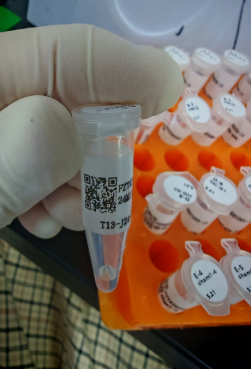
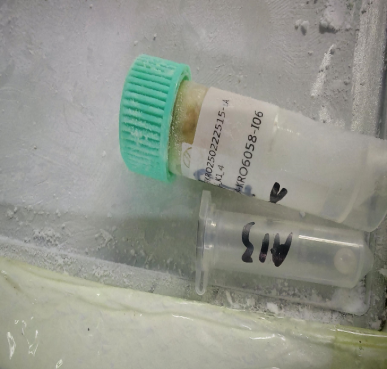
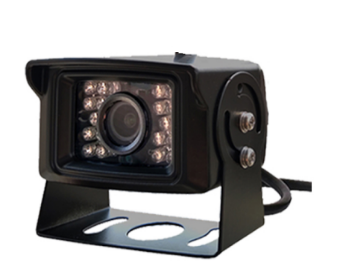
Tianjin Novogene, as a leading enterprise in the life-science industry covering gene sequencing and clinical testing, generates massive numbers of test-tube labels daily. For a long time this label information was recorded manually with handheld devices, which is inefficient, cannot cope with high-concurrency sample processing, and is often affected by shooting-position deviation, insufficient image clarity and incorrect file naming — seriously affecting accurate data traceability. To address this pain point, we recommended our “external trigger photography camera” solution. The camera (model SC-GP-CAMIO) automatically takes high-definition photos of test-tube labels carrying QR codes and numeric IDs and uploads them to an FTP server in real time, guaranteeing the accuracy and completeness of information capture.
2. Product Functions
The product supports Wi-Fi/4G and Ethernet network access, is compatible with various external trigger signals (external IO trigger, API call command, PLC signal) and, after a trigger, automatically and reliably uploads photos to a designated FTP server for immediate archiving. It also supports local SD-card backup so data is not lost, and with a 4G wireless module can be used outdoors where no Wi-Fi network is available.
3. Implementation Process
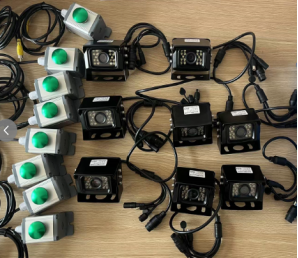
The camera is installed 30 cm directly above the test tube to ensure an accurate shooting angle and focal length. After the device is powered and network configuration is completed via a network cable, pressing the green trigger button makes the camera take a single photo precisely — a “one touch, one shot” synchronous response. The generated image files are uploaded automatically to the customer’s designated FTP server with no manual intervention, building a fully automated “trigger - shoot - upload” information-capture chain.
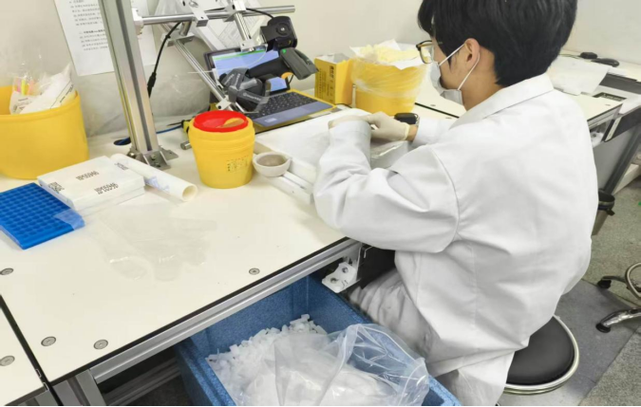
On-site camera installation
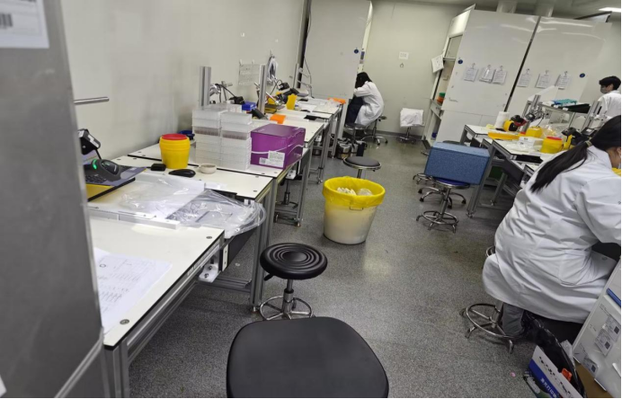
4. Shooting Results
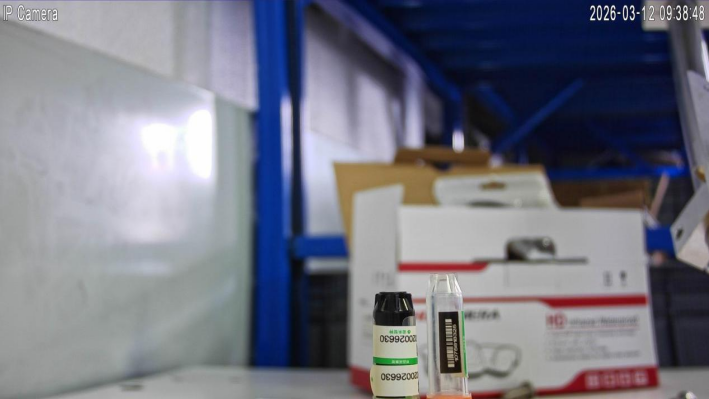
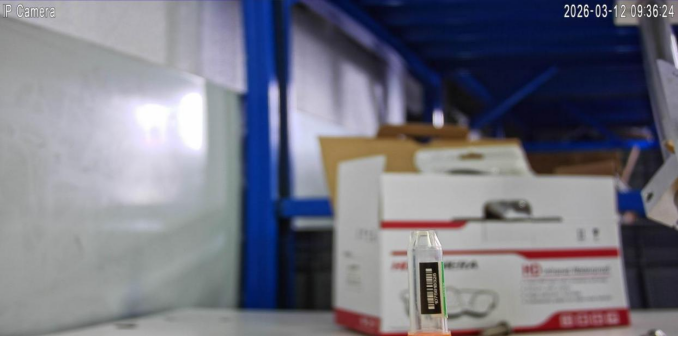
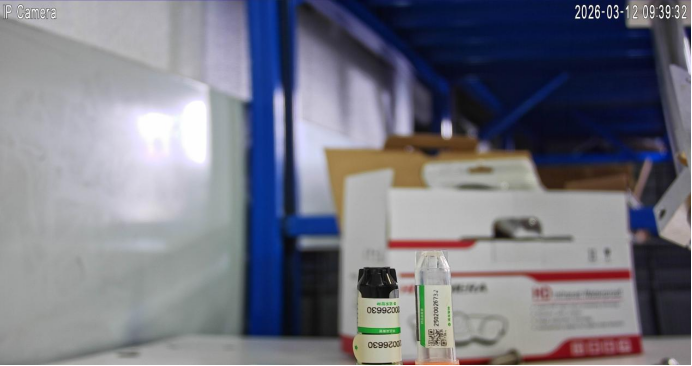
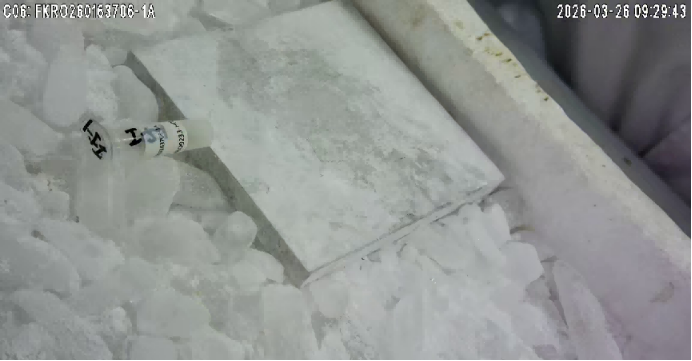
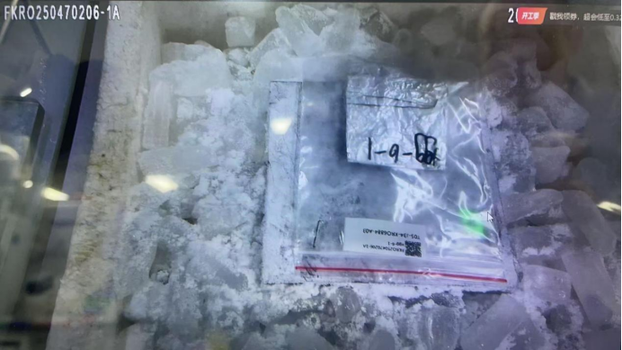
The solution successfully replaced the inefficient and error-prone manual photography mode. Through automated photography and data upload it raised process efficiency to a new level: every photo strictly follows standardized collection rules, clearly recording the QR code and numeric ID on the test-tube label to form a structured sample-information archive. From then on, all samples have “image” evidence, providing a convenient tool for daily sorting and verification and a solid data foundation for experiment review and problem traceability — making sample information management more accurate, efficient and reliable.