Ultra-Low-Power High-Temperature 4G Wireless Pressure & Temperature Sensor
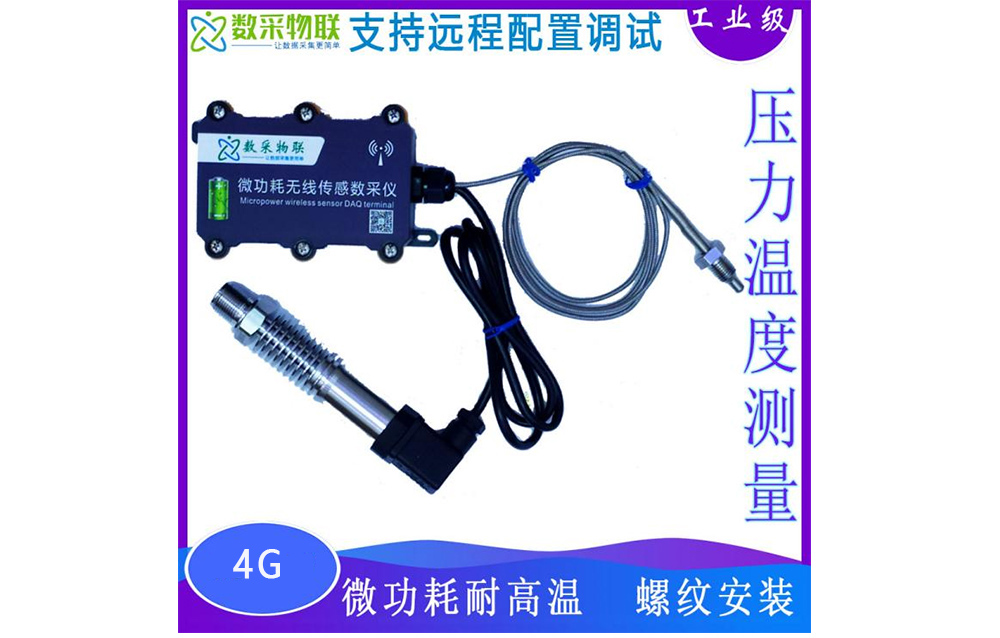
SC-LP-PTNB is a high-temperature-resistant wireless temperature & pressure sensor terminal developed by Shanghai DAQ IoT Technology Co., Ltd. It is mainly used for temperature and pressure measurement of high-temperature pipelines…
Get a QuoteProduct Details
1 Product Overview
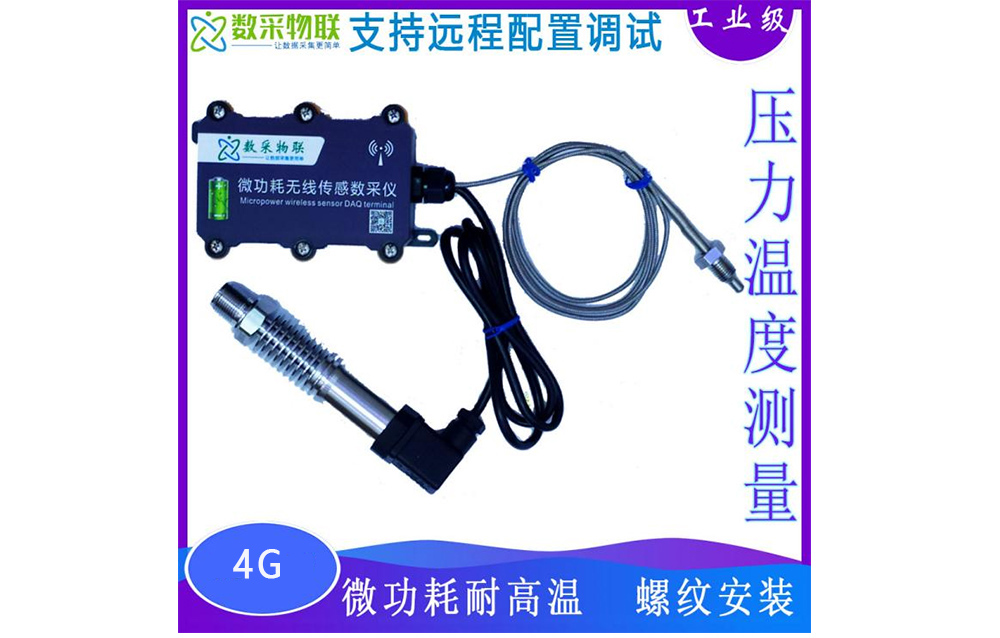
SC-LP-PTNB is a high-temperature-resistant wireless temperature & pressure sensor terminal developed by Shanghai DAQ IoT Technology Co., Ltd. It is mainly used for temperature and pressure measurement of high-temperature pipelines, and can periodically report data to a designated platform server in a wireless manner.
The terminal adopts 4G/LoRaWAN communication, overcoming wireless communication obstruction caused by special on-site environments, greatly simplifying on-site deployment time and reducing construction costs. The device has three working states: sleep, acquisition & storage, and activation & reporting.
2 Ordering Specifications & Model Selection
| Model | Description |
|---|---|
| SC-LP-PINB | Battery-powered, suitable for occasions with low acquisition frequency and difficult external power supply. 4G/LoRaWAN transmission. |
| SC-LP-PILoRa | Battery-powered, suitable for occasions with low acquisition frequency and difficult external power supply. 4G/LoRaWAN transmission. |
4 Product Features
4.1 Acquisition Characteristics
Acquisition type: pressure, temperature
Range: 0-2.5MPa, -50-500℃ (other ranges customizable)
Acquisition frequency: 1 minute ~ 24 hours, remotely configurable
Accuracy class: ±2%
Maximum input: 100% (continuous) / 150% (1 minute)
4.2 Electrical Characteristics
Power supply: battery / 12V
Battery capacity: 3.6V * 19Ah
Standby power consumption: less than 5uA @ 3.6V
Operating power consumption: 2~3mA @ 3.6V
Transmit power consumption: 50~100mA @ 3.6V
4.3 Communication Characteristics
Antenna type: built-in antenna
Transmission mode: 4G / LoRaWAN
Communication protocol: MQTT / HTTP POST active push
Data forwarding: any public network server
Data reporting methods: 1) report when the temperature and pressure fluctuation reaches the set value; 2) report the current measurement at the set interval
4.4 Structural Characteristics
Material: PC plastic (housing)
Main body protection rating: IP65
Main body dimensions: 120mm × 78mm × 50mm
Probe structure: threaded type
Main body installation: wall-mounted or screw-fixed
Probe installation: insertion type
4.5 Operating Environment
Temperature -25°C ~ 75°C, humidity 0 ~ 95% (non-condensing)
5 Ultra-Low-Power Working Mode
The wireless temperature & pressure sensor terminal achieves power saving through intermittent operation. The device is in standby most of the time, with only a very small part of the circuit continuing to work to maintain the ultra-low-power state. This part of the circuit ensures the correct running of the system clock and the correct recording of the next activation time.
Daily power consumption calculation: the daily working states are divided into standby state and working state (waking up to collect data and upload it via 4G), each corresponding to different power consumption data.
6 Core Advantages
-
Built-in battery, no wiring required
-
Simple installation and rapid deployment, helping IoT projects go live quickly
-
Supports any IoT cloud platform, with data integration
-
Fully sealed waterproof and moisture-proof design, meeting the needs of harsh environments
-
Supports remote configuration, minimizing on-site maintenance costs
7 Data Reporting Communication Protocol
7.1 Protocol Parsing Description
HTTP POST push method; users receiving data must provide an HTTP data receiving URL.
Example JSON data message:
{“serviceId”:“UpdataToDev”,“serviceData”:”{“VoltageCur”:372,“TmpWidth”:30,“TimePeriod”:20,“MinCntSet”:12,“IntData3”:877,“IntData2”:0,“IntData1”:140,“InfoId”:1,“ICCID”:“1120288018165436”,“Extend2”:251,“Extend1”:17}”}
Message parsing:
{
“VoltageCur”: 372, // battery voltage, 372 means 3.72V
“TmpWidth”: 30, // used to set the temperature hysteresis, unit 0.1℃; e.g. set to 30 for 3℃, report data when the change exceeds 3℃
“TimePeriod”: 20, // acquisition period, range 1-255s, sample once every fixed T
“MinCntSet”: 12, // forced upload time, unit 5min, default 48 i.e. 48*5=240min=4 hours (with some error)
“IntData3”: -9999, // reserved data field, invalid
“IntData2”: 0, // pressure value, relative pressure; 0 means the pressure under normal environment
“IntData1”: 140, // temperature value, unit 0.1℃; e.g. 140 means 14℃
“InfoId”: 1, // reserved field, fixed at 1
“ICCID”: “1120288018165436”, // ID number
“Extend2”: 251, // represents the cumulative number of reports from the sensor
“Extend1”: 17 // signal strength
}
7.2 Protocol Integration Test
It can be tested with Postman.
7.3 Protocol Customization
If you need to customize other integration protocols, such as MQTT or configuration software integration, please contact our sales staff.
8 Platform Integration
8.1 Platform Data Display
At the factory, the product can be set to connect to our designated open industrial IoT platform, whose interface is shown below:
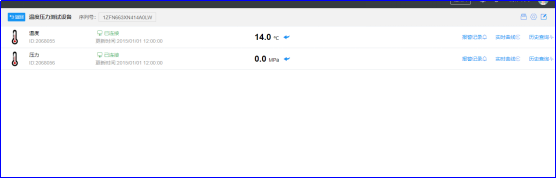
PC browser interface
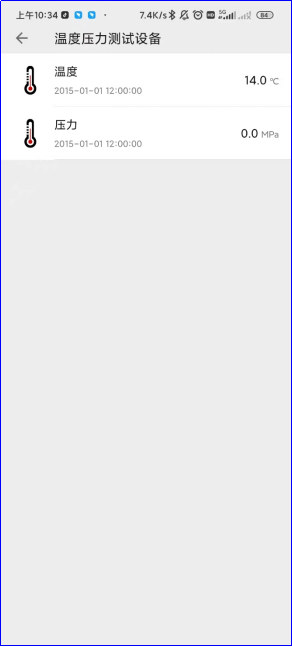
Mobile WeChat access interface
8.2 User-Specified Platform
It connects to the China Telecom IoT platform by default. Other platforms can be customized.
9 Application Cases
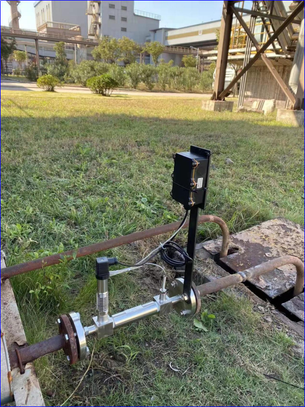
By monitoring changes in pressure and temperature, it detects whether the steam pipeline is leaking. Near the leak location, the pressure and temperature drop noticeably.
10 Notes
(1) This product has a built-in SIM card. The annual data traffic fee is about 10~20 RMB, depending on the reporting frequency.