USB to Infrared Meter Reader / Transparent Infrared Communication Module / 38kHz Carrier Infrared
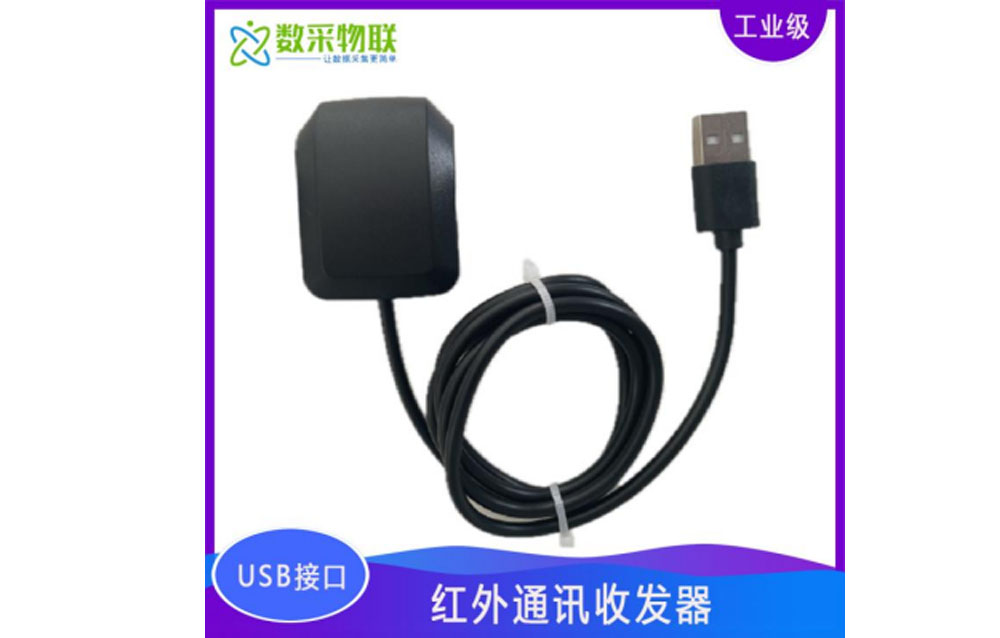
DAQ-GP-IRUSB USB-to-far-infrared probe is a general-purpose infrared meter reading optical probe for electricity and gas meters, launched by Shanghai DAQ IoT Technology Co., Ltd., based on infrared communication, USB transmission…
Get a QuoteProduct Details
1 Overview
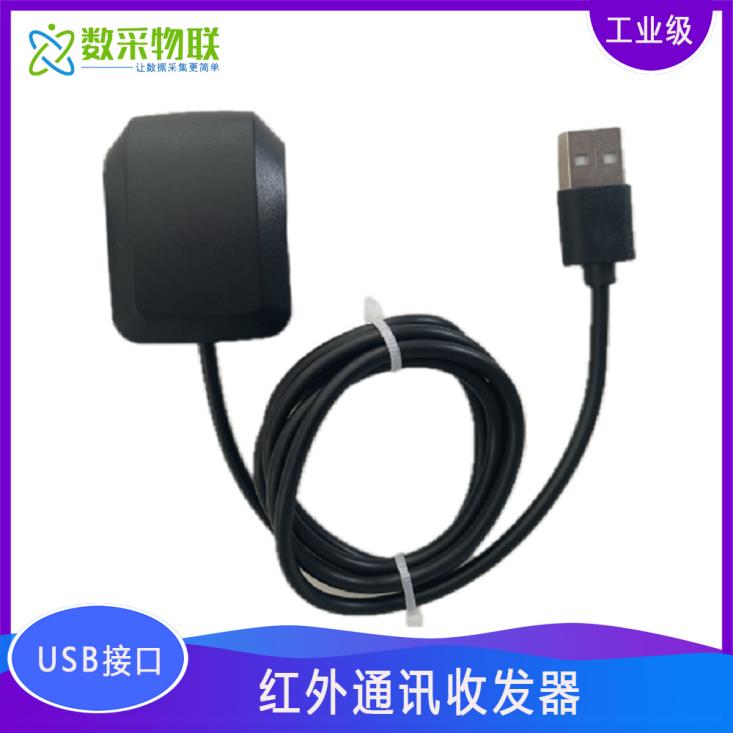
DAQ-GP-IRUSB USB-to-far-infrared probe is a general-purpose infrared meter reading optical probe for electricity and gas meters, launched by Shanghai DAQ IoT Technology Co., Ltd., based on infrared communication, USB transmission and wide DC voltage power supply. It can collect electrical parameter data such as energy, voltage, current and power factor from State Grid electricity meters.
Brief introduction to the infrared meter reading principle: the infrared optical probe periodically reads the parameter information of the smart meter through the infrared optical port and uploads it.
This product supports meter reading scenarios for various meters with infrared communication interfaces, such as electricity meters, gas meters and flow meters. It is suitable for electricity meter data acquisition, smart city data acquisition, power monitoring data acquisition, energy-saving and emission-reduction data monitoring systems, energy consumption monitoring systems, PV systems, intelligent monitoring, robots, smart security systems and cloud platform systems; and for electricity meter calibration and testing benches. It is especially suitable for meter reading when the main meter of a State Grid electricity meter is in a completely sealed state with no seal allowed to be opened.
3 Product Features
Acquisition characteristics
-
Communication baud rate: 1200~115200 bps, adaptive according to the electricity meter communication parameters
-
Communication distance: ≤10 m
-
Communication angle: ≤15 degrees
-
Modulation/demodulation carrier frequency: 38KHz
-
Infrared communication protocol: transparent transmission
Electrical characteristics
-
Operating power consumption: less than 0.5W
-
Transmit power consumption: 20~50mA @ 5V
Communication characteristics
-
Transmission mode: USB virtual serial port transparent transmission
-
Baud rate: 1200~115200, adaptive
Structural characteristics
-
Material: ABS plastic (housing)
-
Protection rating: IP64
-
Main body dimensions: 48mm × 37mm × 15mm
-
Installation: adhesive / magnetic attachment
Operating environment
- Temperature -30°C ~ 75°C, humidity 0 ~ 95%
Storage environment
- Temperature -40°C ~ 90°C, humidity 0 ~ 95%
4 Core Advantages
-
Infrared non-contact acquisition, without affecting the meter itself
-
Compact size
-
Simple installation and rapid deployment, helping IoT projects go live quickly
-
Several meter reading debugging software tools and electricity meter communication protocol documents are provided free of charge
5 Free Meter Reading Debugging Software
Three meter reading debugging software tools are provided free of charge:
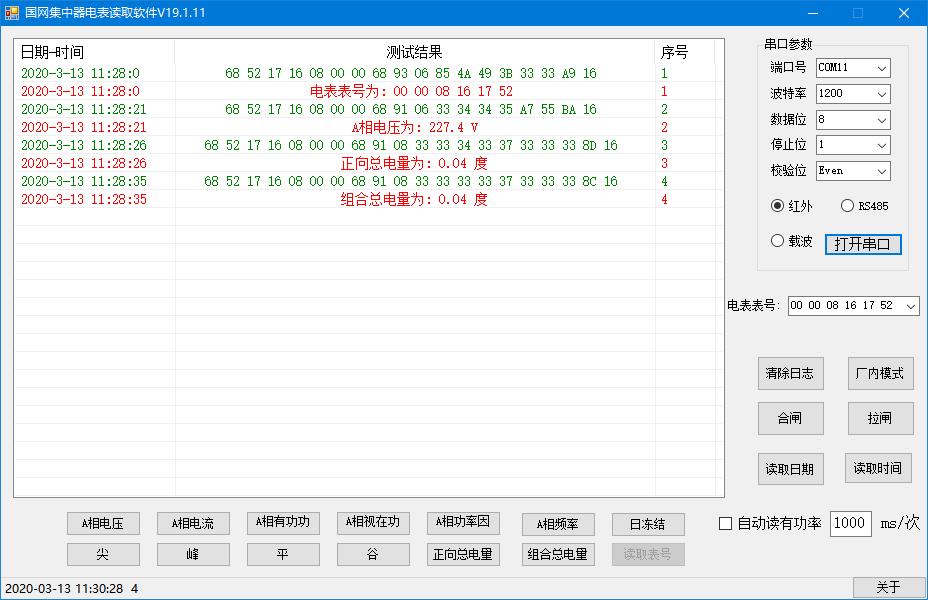
State Grid concentrator electricity meter debugging software
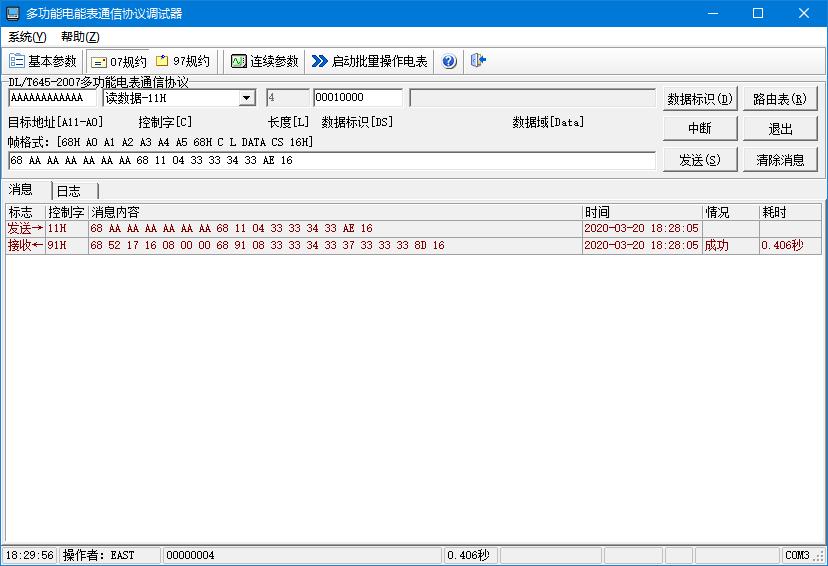
Multi-function electricity meter communication protocol debugger
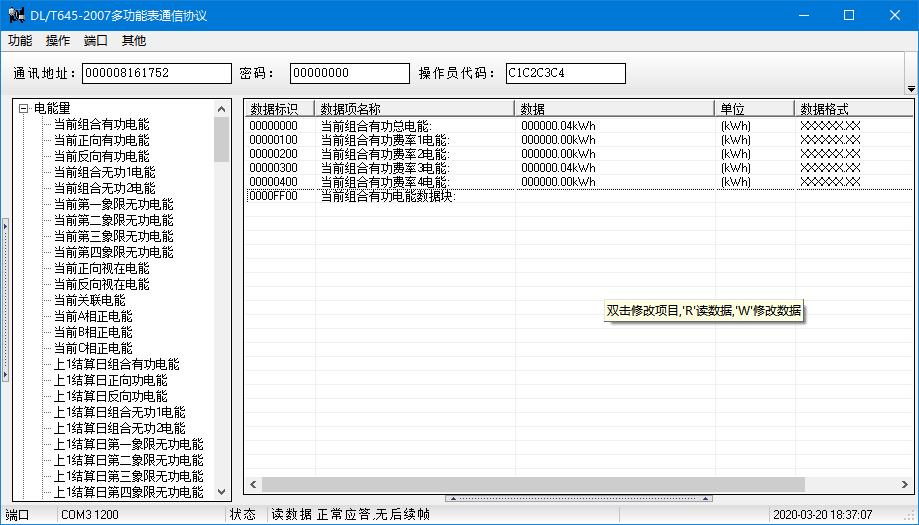
DL/T645-2007 multi-function electricity meter communication protocol debugging
Document provided: DLT645-2007 Multi-function Electricity Meter Communication Protocol 2010.pdf
Software download: follow the WeChat official account “数采物联” (DAQ-IOT), enter the product materials menu, and download the relevant materials.
6 Application Cases
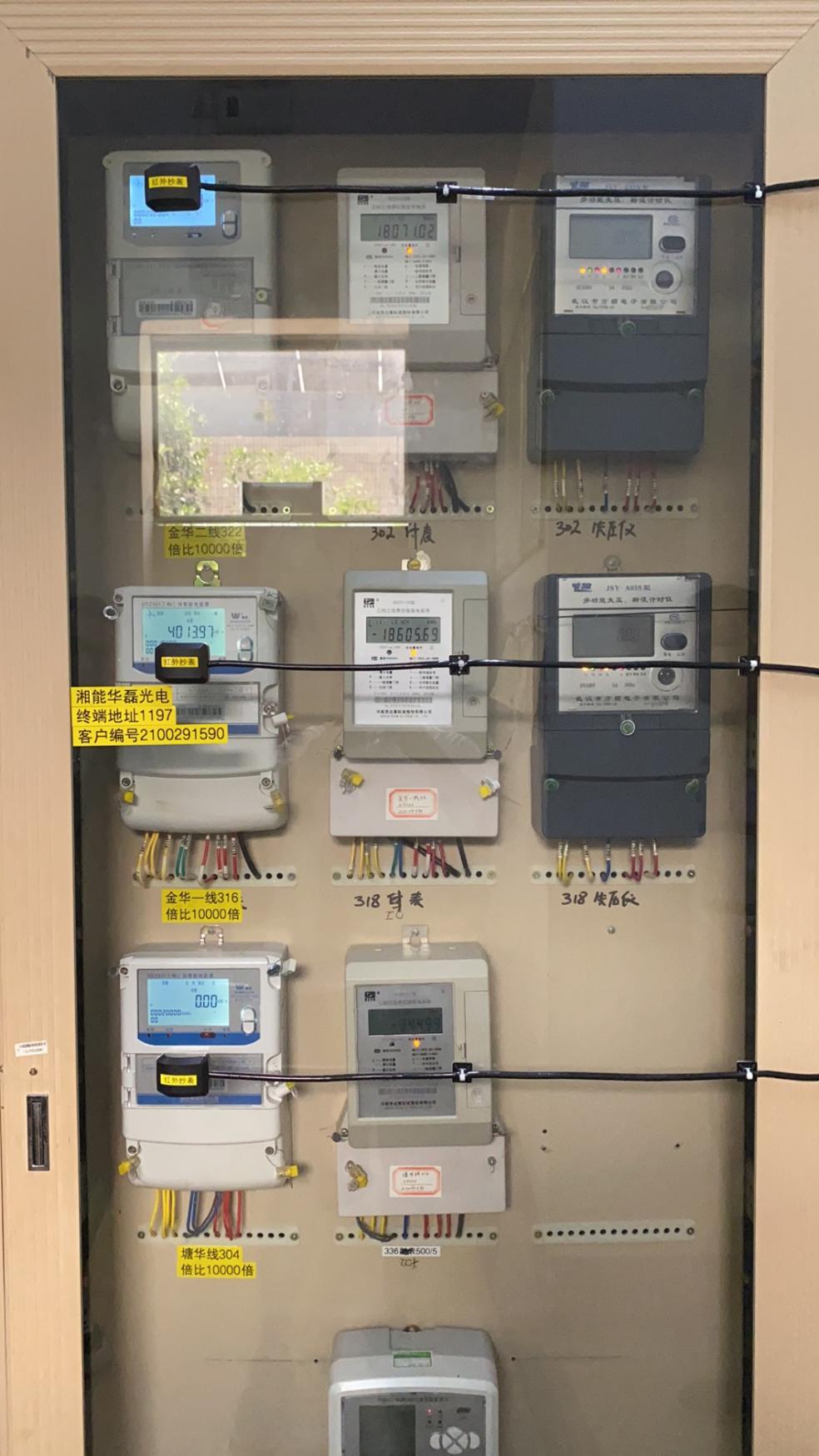
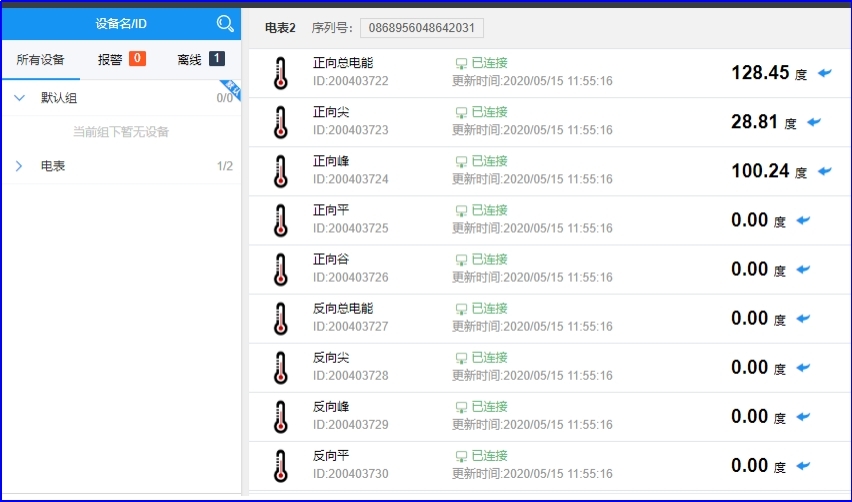
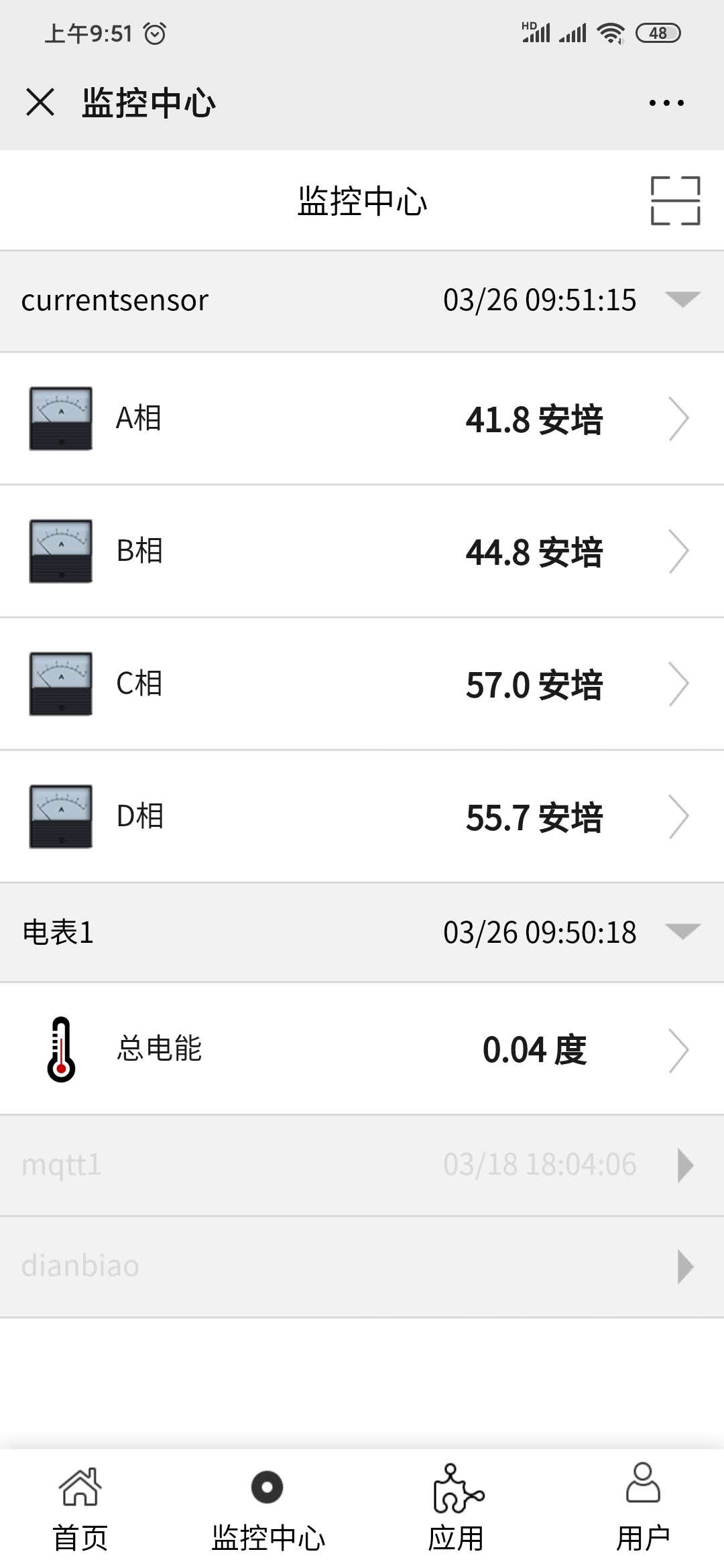
Industrial park 10kV metering cabinet electricity meter data acquisition
In this case, battery power is used to collect the electricity meter data of a 10kV metering cabinet in an industrial park. The acquisition frequency is once every 2 hours, and the electricity meter data is sent to a remote server via 4G to realize energy monitoring in the park.
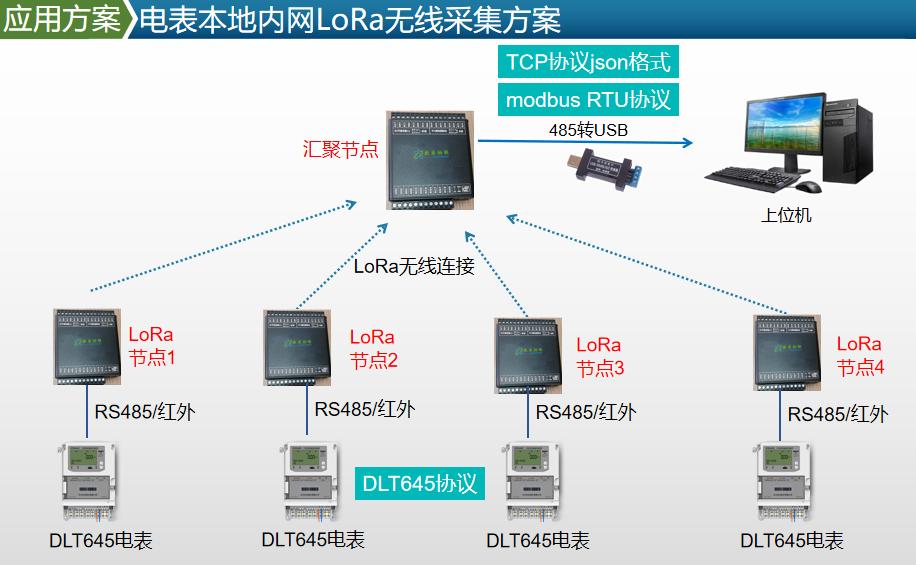
Enterprise intranet meter reading application case
7 Notes
- Simply align the infrared emitting/receiving port with the infrared device to be communicated with. During communication, ensure the communication distance and tilt angle are within the technical requirements, otherwise the communication effect will be seriously affected.